Use this guide to compare Starbucks protein drinks by protein, calories, sugar, caffeine, price and customization options. For the broader food and drink lineup, see our Starbucks Menu Guide.
Starbucks Protein Drink Categories in 2026
The protein menu is easier to use when you choose the format first. Starbucks currently offers espresso-based protein lattes, matcha-based protein drinks, lower-sugar/no-added-sugar versions, and protein customizations that can be added to other beverages.
8 menu items Estimated U.S. prices; calories are for the listed standard serving. Seasonal items, availability and local prices may differ. No matching menu items. Try another name or clear your search. Grande 16 fl oz — Protein: 27 g; Sugar: 37 g; Caffeine: 150 mg. Grande 16 fl oz — Protein: 28 g; Sugar: 32 g; Caffeine: 65 mg. Grande 16 fl oz — Protein: 29 g; Sugar: 31 g; Caffeine: 150 mg. Grande 16 fl oz — Protein: 31 g; Sugar: 24 g; Caffeine: 65 mg. Grande 16 fl oz — Protein: 31 g; Sugar: 23 g; Caffeine: 65 mg. Grande 16 fl oz — Protein: 29 g; Sugar: 29 g; Caffeine: 150 mg. Grande 16 fl oz — Protein: 28 g; Sugar: 30 g; Caffeine: 75 mg. Grande 16 fl oz — Protein: 27 g; Sugar: 34 g; Caffeine: 150 mg.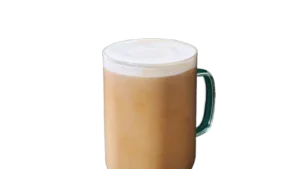
Caramel Protein Latte
Size / serving Est. price Calories Tall 12 fl oz $6.25 250 Cal Grande 16 fl oz $7.29 320 Cal Venti 20 fl oz $7.75 380 Cal 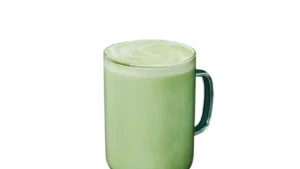
Caramel Protein Matcha
Size / serving Est. price Calories Tall 12 fl oz $6.25 220 Cal Grande 16 fl oz $7.29 310 Cal Venti 20 fl oz $7.85 380 Cal 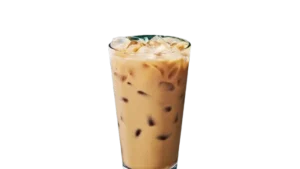
Iced Caramel Protein Latte
Size / serving Est. price Calories Tall 12 fl oz $6.75 220 Cal Grande 16 fl oz $7.59 280 Cal Venti 24 fl oz $8.25 400 Cal 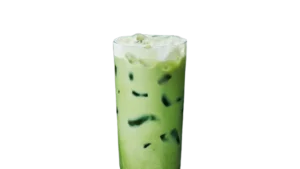
Iced Caramel Protein Matcha
Size / serving Est. price Calories Tall 12 fl oz $6.75 160 Cal Grande 16 fl oz $7.57 270 Cal Venti 24 fl oz $8.25 420 Cal 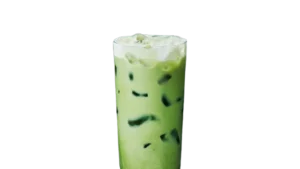
Iced Protein Matcha
Size / serving Est. price Calories Tall 12 fl oz $6.35 150 Cal Grande 16 fl oz $7.19 260 Cal Venti 24 fl oz $7.50 420 Cal 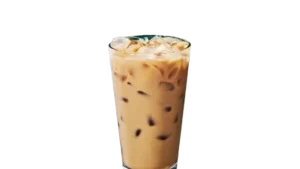
Iced Vanilla Protein Latte
Size / serving Est. price Calories Tall 12 fl oz $6.99 210 Cal Grande 16 fl oz $7.70 270 Cal Venti 24 fl oz $8.20 390 Cal 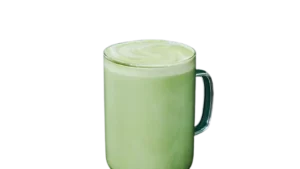
Protein Matcha
Size / serving Est. price Calories Tall 12 fl oz $5.85 220 Cal Grande 16 fl oz $7.19 300 Cal Venti 20 fl oz $7.60 370 Cal 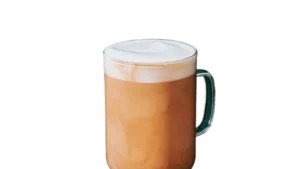
Vanilla Protein Latte
Size / serving Est. price Calories Tall 12 fl oz $6.25 240 Cal Grande 16 fl oz $7.29 310 Cal Venti 20 fl oz $8.65 360 Cal
For the wider beverage lineup, compare the Starbucks Drinks Menu. If you mainly want espresso-based options, the Starbucks Coffee Menu is the better companion guide.
Hot Starbucks Protein Drinks
The original Protein Matcha, Vanilla Protein Latte, Caramel Protein Latte and Caramel Protein Matcha remain useful reference points from the older table. The big 2026 change is that no-added-sugar vanilla and caramel builds now give customers lower-sugar versions without removing the protein platform.
Iced Starbucks Protein Drinks
The iced versions generally show slightly more protein than their hot counterparts because of the current standardized recipes. If you prefer cold coffee rather than matcha, the Cold Coffee Menu can help you compare a protein latte with simpler iced coffee choices.
What “No Added Sugar” Means
The sugar-free vanilla and sugar-free caramel protein drinks are labeled no added sugar, but that does not mean zero sugar. Milk naturally contributes sugar, which is why the Grande iced sugar-free protein lattes still show about 9 g total sugar and the iced sugar-free protein matchas about 10 g.
These options use sugar-free flavored syrups, so they are useful for customers who want to reduce added sugar while keeping a flavored drink. They are not automatically dairy-free, vegan or suitable for every dietary restriction.
Protein Cold Foam & Protein-boosted Milk
You do not have to order a dedicated Protein Latte to use Starbucks’ protein platform. Protein Cold Foam can add roughly 15 g protein to a cold beverage, and Protein-boosted Milk can replace regular dairy milk in many compatible drinks.
Protein Cold Foam is especially useful if you want to keep a familiar coffee base and add protein on top. Protein-boosted Milk makes more sense when you want the protein distributed through the full beverage. Starbucks has said that most handcrafted beverages can now be customized through one of these protein options.
If you are comparing function rather than coffee style, the Starbucks Energy Drinks guide covers the caffeine-focused side of the menu.
Ingredients, Dairy & Allergen Context
The current protein drinks use whey protein isolate with dairy milk in Protein-boosted Milk. That means the standard protein platform contains milk and is not vegan or dairy-free. Matcha versions also contain matcha powder, while latte versions use brewed espresso.
Starbucks notes that café beverages are prepared on shared equipment, so customers with medically important allergies should use the current ingredient information for the exact drink and discuss cross-contact concerns with the store.
Starbucks Protein Drink Prices & Value
The older article correctly showed protein beverages sitting above simple brewed coffee in price. That remains the right way to think about the category: these are premium functional drinks, not budget coffee. Grande pricing typically lands in the low-to-upper $7 range before extra customizations.
For value, compare protein delivered per drink rather than price alone. A 27–31 g protein beverage may make more sense for someone who would otherwise buy both a drink and a separate snack. If you want solid food instead, compare the Starbucks Protein Boxes.
Protein, Calories, Sugar & Caffeine
The strongest current pattern is simple: iced no-added-sugar options give the best protein-to-calorie ratio. Iced Sugar-Free Vanilla and Caramel Protein Lattes provide 29 g protein for 200 calories, while the iced sugar-free matcha versions provide 31 g for 210 calories.
Sweetened hot drinks sit higher: Caramel Protein Latte is 320 calories with 27 g protein, while Protein Matcha is 300 calories with 28 g. Caffeine also depends on the base. Protein lattes are around 150 mg caffeine per Grande, while current matcha protein drinks are generally around 65–75 mg.
For a wider side-by-side nutrition view, use the Starbucks Calories & Nutrition Guide.
Starbucks Protein Drink Sizes
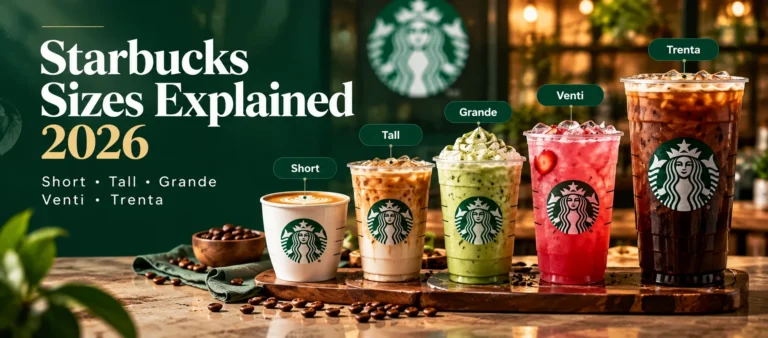
Hot protein lattes and matcha drinks commonly offer Short, Tall, Grande and Venti sizes, while iced versions commonly offer Tall, Grande and Venti. The tables use Grande because it is the most useful standard comparison point and the size Starbucks uses for most protein marketing claims.
The Starbucks Sizes Guide explains the ounce differences and why hot and iced Venti sizes are not identical.
Best Starbucks Protein Drinks by Goal
| Goal | Good Starting Point | Why |
|---|---|---|
| Highest protein with lower calories | Iced Sugar-Free Protein Matcha | 31 g protein, 210 Cal |
| Lowest calories among core protein lattes | Iced Sugar-Free Vanilla or Caramel Protein Latte | 29 g protein, 200 Cal |
| Classic sweet espresso flavor | Vanilla Protein Latte | 27 g protein with familiar latte profile |
| Caramel espresso option | Iced Caramel Protein Latte | 29 g protein, 150 mg caffeine |
| Matcha without sugar-free syrup | Iced Protein Matcha | 31 g protein and 65 mg caffeine |
| Lower added-sugar hot option | Sugar-Free Protein Latte | 27 g protein, 230 Cal |
| Keep your usual drink | Add Protein Cold Foam | About 15 g extra protein without switching to a protein latte |
If you are using a protein drink as part of breakfast, compare it with the Starbucks Breakfast Menu so the total meal still fits your goal.
Starbucks Rewards & Protein Drinks
Current Starbucks product pages show the dedicated Protein Lattes and Protein Matcha drinks as 200-Star items. The exact value of redeeming Stars depends on the cash price and what you usually buy, so use the Starbucks Rewards Guide for the current 2026 redemption structure.
Frequently Asked Questions
How much protein is in Starbucks protein drinks?
Current Grande nutrition panels generally show about 27–31 g protein for the standard dedicated protein drinks. Protein Cold Foam can add about 15 g protein to a compatible cold beverage.
Which Starbucks protein drink has the most protein for the fewest calories?
The current iced sugar-free protein matcha drinks are among the strongest ratios at 31 g protein and 210 calories. Iced sugar-free protein lattes are also strong at 29 g protein and 200 calories.
Are Starbucks sugar-free protein drinks actually sugar-free?
No. They are no-added-sugar flavored builds, but dairy milk naturally contains sugar. Current Grande iced sugar-free protein lattes show 9 g total sugar.
Are Starbucks protein drinks vegan?
No. The standard protein platform uses whey protein isolate and dairy milk, so it is not vegan or dairy-free.
How much caffeine is in a Starbucks protein latte?
Grande hot and iced Vanilla or Caramel Protein Lattes currently show about 150 mg caffeine.
How much caffeine is in Protein Matcha?
Current Grande protein matcha drinks generally show about 65–75 mg caffeine depending on the exact hot or iced recipe.
Can I add protein to a normal Starbucks drink?
Yes. Protein Cold Foam can be added to many cold drinks, and Protein-boosted Milk can replace dairy milk in many compatible beverages.
How much do Starbucks protein drinks cost?
Prices vary by store, but current planning estimates for Grande dedicated protein drinks are generally in the low-to-upper $7 range before extra customizations.
This guide prioritizes current Starbucks product-page nutrition for the live recipes. Protein grams can vary with customization, and local pricing can differ by store.